
Ambush Marketing: The Aftermath of Milano Cortina 2026
The Italian Competition Authority (AGCM) has issued one of the most significant anti-ambush marketing decisions since Italy introduced specific legislation to protect major sporting events. The AGCM imposed fines exceeding a total of €2.5 million on six companies after concluding that their promotional activities created an unauthorized association with the Milano Cortina 2026 Olympic Winter Games.
The decision was adopted under Italy’s anti-ambush marketing framework, which prohibits businesses that are not official sponsors from misleading consumers into believing that they have a commercial connection with a protected sporting event. According to the AGCM, the investigated campaigns used or evoked Olympic symbols, imagery and references capable of creating such an association.
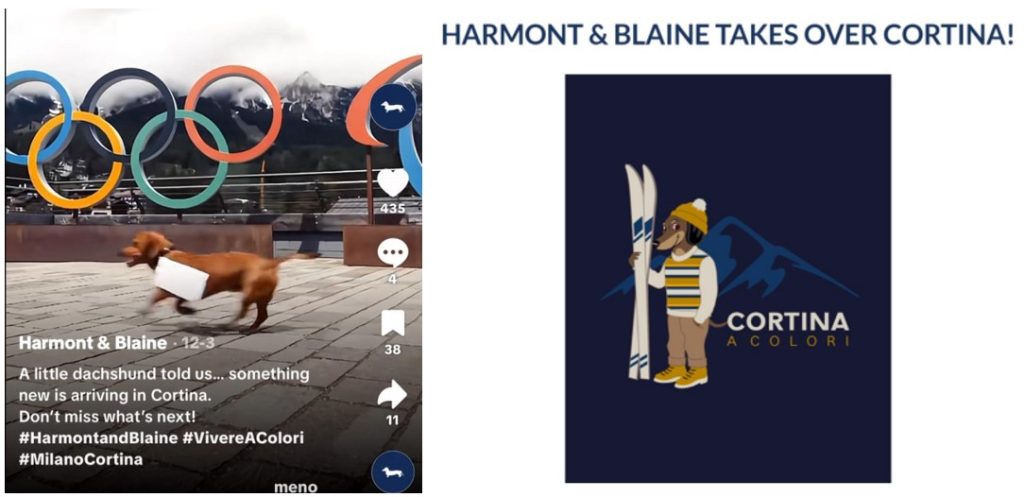
The cases illustrate the variety of conduct that can trigger enforcement. Fashion company Harmont & Blaine was investigated in relation to its sponsorship of a ski chalet located near Olympic ski facilities and the promotion of a themed clothing collection featuring photographs in which Olympic rings appeared in the background. The company also used social media hashtags #MilanoCortina and #MilanoCortina2026.
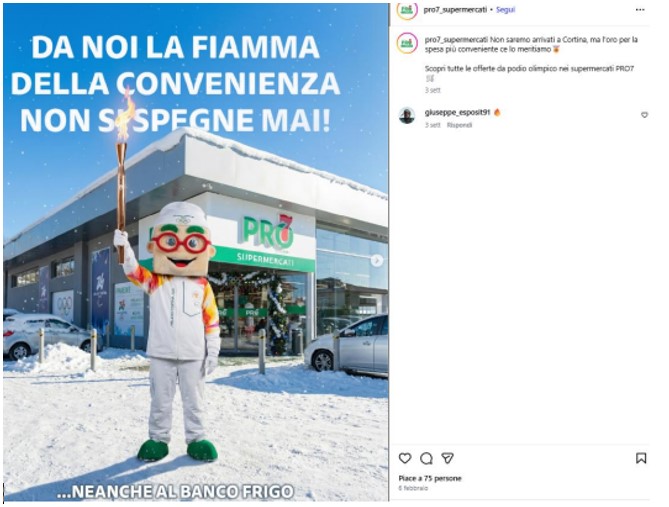
Several supermarket chains were also sanctioned. RetailPro S.p.A. (Pro7) used advertising that depicted its mascot carrying an Olympic-style torch and taking part in winter sports events within supermarket-themed settings.
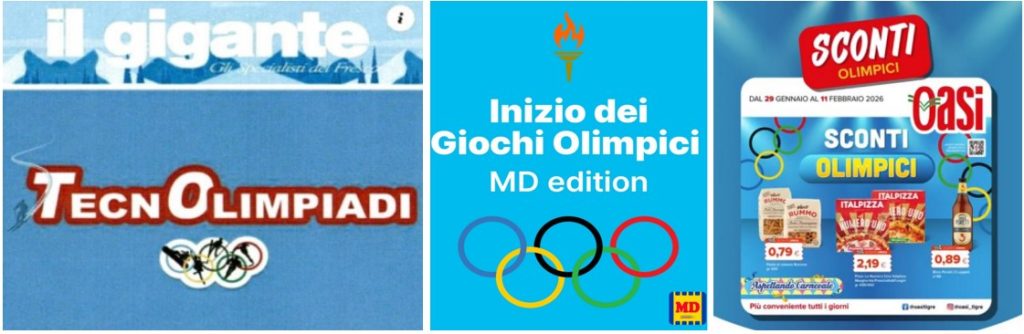
Magazzini Gabrielli S.p.A. (Oasi) launched a promotion branded as “Sconti Olimpici” (“Olympic Discounts”) and used coloured ring motifs. Rialto S.p.A. (Il Gigante) promoted consumer electronics through a campaign entitled “TecnOlimpiadi”, while MD S.p.A. employed Olympic ring imagery in its marketing materials.
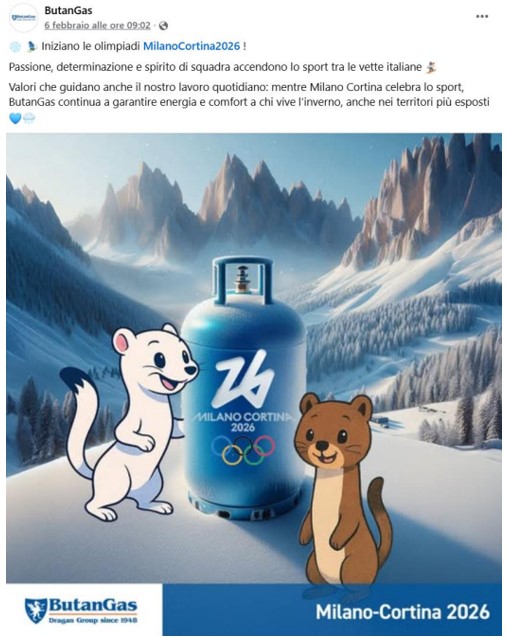
Butan Gas S.p.A., was also found to have used Olympic mascots and the Olympic rings in advertising materials despite having no official sponsorship rights.
The AGCM concluded that these campaigns sought to benefit from the visibility and goodwill associated with the Olympic Games while generating confusion as to the identity of the event’s official partners.
Beyond the substantial fines, the decision provides important guidance for advertisers. The AGCM’s analysis demonstrates that ambush marketing is not limited to the direct reproduction of protected logos. References to Olympic themes, event names, mascots, ring imagery, torches, hashtags and other elements capable of suggesting an official association may all attract scrutiny, particularly when deployed during the period in which public attention is focused on the event. Social media and short-term advertainment campaigns are not exempt. In fact, they are increasingly subject to investigations.
For brand owners, the message is clear: marketing campaigns inspired by major sporting events require careful legal review and considerable fines along with negative PR are the main risks to manage in the circumstances. As sponsorship deals become more competitive and highly lucrative for leading brands, enforcement activities also increase demanding a stricter approach during legal review.
By: Arthur Artinian and Serena Totino